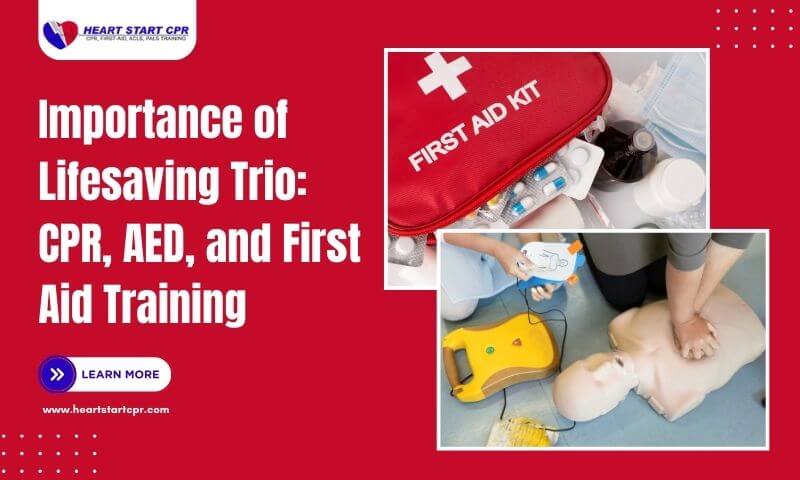



Do you know the right way to save an infant’s life in an emergency? Performing CPR on a baby can be intimidating, but every second counts. Chest compressions are one of the most critical steps. Press too lightly, and it may not work. Press too hard, and it could cause injury. Knowing the proper depth empowers you to act confidently.
How deep should your compressions be to make a real difference? Leading resuscitation authorities provide clear guidance to maximize effectiveness when every moment matters. This article will break down the recommended depth for infant chest compressions, backed by the latest guidelines. By mastering this crucial step, you can give the best possible support until advanced medical help arrives.
Key Takeaways:
- For infants under 1 year old, compress the chest to 1/3 to 1/2 its depth during CPR
- This equals approximately 1½ to 2 inches (4 to 5 cm) deep
- Use anatomical landmarks to help estimate the correct depth
- Follow the AHA’s latest evidence-based guidelines for best outcomes
- Activate Emergency Medical Services as soon as safely possible
Why Depth Matters for Infant Compressions?
The primary goal of cardiopulmonary resuscitation (CPR) is to circulate oxygenated blood to the heart and brain until normal heart function can be restored. For infants under 1 year old, the correct depth of chest compressions plays a critical role in achieving this goal. Compressing the chest too shallowly will not effectively pump blood, while compressing too deeply could cause harm. Finding the right balance is important.
The American Heart Association (AHA), a leading nonprofit focused on cardiovascular health, first aid, and CPR education, provides specific guidance on recommended infant compression depths based on extensive clinical research. Following their evidence-based guidelines helps maximize blood flow while minimizing the risk of injury when performing CPR in an emergency.
What Is the Recommended CPR Depth for Infants? Approximately 1/3 of the Chest Depth is Correct
According to the 2020 AHA resuscitation guidelines, infant chest compressions should be performed at a depth of 1/3 to 1/2 of the anterior-posterior diameter of the infant’s chest, approximately 1.5 inches deep or 4 cm for most newborns and babies.
Maintaining a depth within this recommended range is crucial. Compressing less than 1/3 of the chest depth will not generate enough pressure to circulate the blood effectively. On the other hand, compressing deeper than half the chest depth can damage the infant’s tiny chest cavity and internal organs.
Also read: One rescuer infant cpr ratio
What Are the Best Tips for Maintaining the Correct Depth of Compressions for an Infant?
Here are some tips for maintaining the correct depth of compressions for an infant at the recommended 1.5-inch depth during infant CPR:
- Use two fingers for compressions, placed in the center of the chest between the nipples. Your fingertips should be positioned on the breastbone.
- Look at the infant’s chest rise and feel for soft chest walls. Compress the chest only as far as needed for it to fully recoil after each compression.
- Avoid leaning on the chest with your body weight. Keep your shoulders directly above your hands for control.
- Provide feedback to yourself or a compressing partner by counting out loud or using a metronome app set to 100-120 beats per minute.
- Take a CPR class with an infant manikin. Practicing will boost your confidence and ability to judge correct compression depth and airway management by sight and feel.
- Consider purchasing an infant training manikin for home practice between certifications. Muscle memory improves with repetition.
Delivering high-quality CPR means knowing the guidelines inside and out to respond confidently and effectively if an emergency occurs. Following the latest AHA guidance maximizes the chance of saving a life until advanced medical care arrives. With practice and the right technique, you can make all the difference for an infant in cardiac arrest.
Also read: BLS Skills You Can Practice Without a Manikin at Home
Act Now: Master Infant CPR and Save a Life Today
Performing CPR on an infant can feel intimidating, but knowing the correct compression depth is essential for saving lives. By following the latest AHA guidelines and practicing regularly, you gain the confidence to act quickly and effectively in an emergency. Every second counts, and mastering this crucial skill can make all the difference between life and death.
Learn the right techniques for infant CPR from our experts at Heart Start CPR, an AHA Certified Training Center. Our instructors provide hands-on training to build confidence and prepare you for real emergencies.
FAQs About Infant Chest Compression Depth
1. What If I Can’t Determine the Chest Depth?
If you are unable to estimate chest depth with your landmarks accurately, compress at least 1/2 inch (4 cm) deep as a minimum. The most important thing is to push hard and fast while avoiding excessive force.
2. How Many Compressions Should I Give Per Minute?
For infants, aim for 100-120 compressions per minute. Compress the chest firmly and smoothly, and release fully between each compression. Immediate and effective chest compressions are lifesaving after a cardiac event.
3. Can Compressions Be Too Shallow?
Yes, compressing an infant’s chest less than 1.5 inches deep risks providing an inadequate circulating blood volume. Aim for a full 1.5 inches each time.
4. What If I’m Afraid of Hurting the Baby?
It’s understandable to feel nervous, but know that compressing to 1.5 inches will not harm the infant when done properly. With practiced technique, you can help save the baby’s life.
5. How Do I Know If I’m Pressing Deep Enough During Infant CPR?
Place two fingers in the center of the chest and compress about 1.5 inches (4 cm), ensuring the chest fully recoils between compressions. Practicing on a training manikin helps you judge depth accurately.