During emergency medical care, every second counts. Whether in a hospital setting or out in the field, the effectiveness of cardiopulmonary resuscitation (CPR) can mean the […]
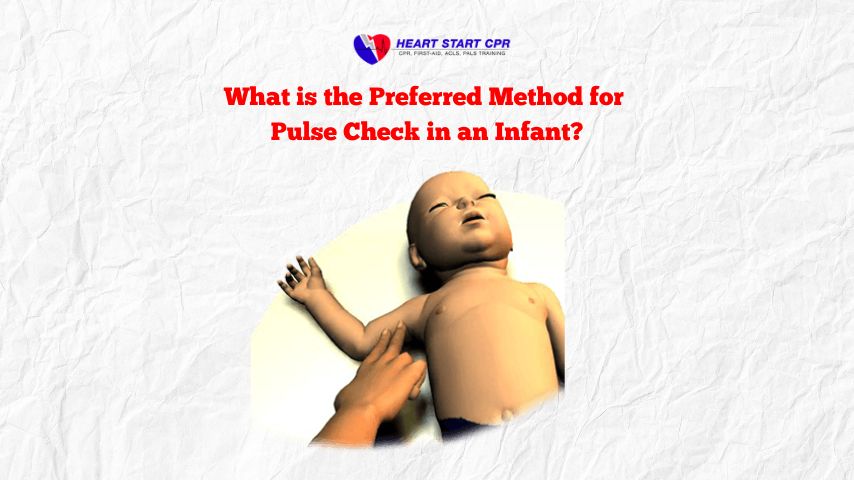
Pulse checks are important in assessing heart rate and overall circulatory status. They help guide further medical interventions. Healthcare professionals and caregivers should learn the preferred […]
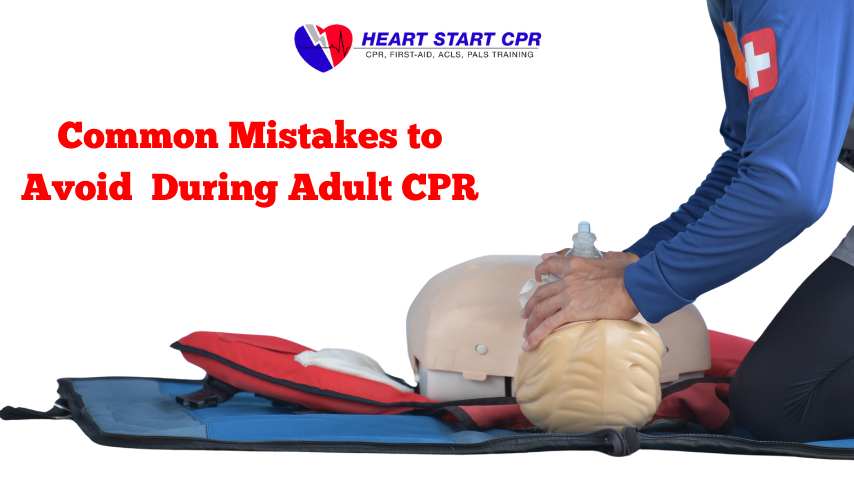
Cardiopulmonary resuscitation, commonly known as CPR, is a lifesaving technique that can keep oxygen flowing to the victim’s brain until emergency medical services arrive. Performing effective […]
CPR stands for Cardiopulmonary resuscitation. CPR is a life-saving technique used in emergencies to restore the victim’s blood circulation and breathing in case of sudden cardiac […]
Cardiac arrest is a life-threatening medical emergency that occurs when the heart stops working properly. In these situations, CPR (cardiopulmonary resuscitation) is initiated to try and […]
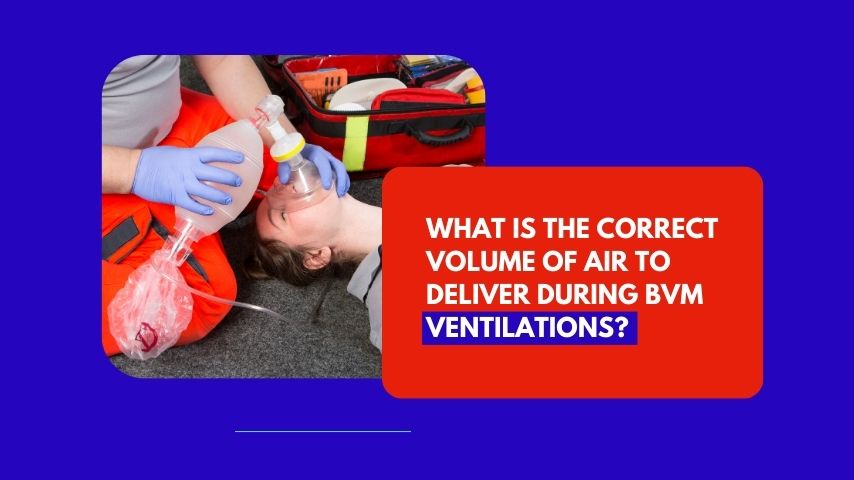
BVM ventilation, or Bag-Valve-Mask ventilation, is a manual technique used to provide artificial ventilation to patients who are unable to breathe adequately on their own. It […]
Heart failure or Congestive Heart Failure is a condition where the heart is unable to pump blood effectively, which leads to insufficient oxygen and nutrient delivery […]
High-quality CPR means performing cardiopulmonary resuscitation in a manner that maximizes the victim’s chances of survival and positive outcomes. It plays a pivotal role in saving […]
CPR, or cardiopulmonary resuscitation, is a life-saving technique used to revive individuals experiencing cardiac arrest, choking, drowning, or respiratory emergencies. The primary goal of CPR is […]
Cardiopulmonary resuscitation, commonly known as CPR, is a lifesaving technique that is used in someone who is unconscious and not breathing or their heart has stopped […]