
When it comes to performing CPR, many bystanders hesitate to act due to the complexity and responsibility involved. Fear of making mistakes or facing legal consequences often stops people from helping in emergencies. However, the Good Samaritan Law CPR protections are designed to address these concerns, ensuring that those who step in to help in good faith are legally protected. The law protects those who offer help in good faith.
In this blog, you’ll learn how the Good Samaritan Law protects people who perform CPR and why knowing these protections is important.
What is the Good Samaritan Law?
The Good Samaritan Law provides legal protection to people who help others during emergencies. If you step in to give first aid or perform CPR in emergencies, this law ensures that you won’t be held legally responsible if something goes wrong, as long as you act with good intentions and don’t expect any payment. Named after a story that celebrates selfless help, these laws encourage people to assist in emergencies by providing legal protection for their actions. The main goal is to make sure you can help confidently, knowing that the law supports you.
What Is the Purpose of the Good Samaritan Law and Why Does It Matter?
The Good Samaritan Law is crucial because it empowers individuals to act confidently in emergencies by clearly outlining the legal protections available. Knowing that the law protects them from legal trouble when they help others willingly with good intentions can encourage people to take prompt action in emergencies. This includes emergencies like cardiac arrest or severe injury. This helps to reduce the fear of legal consequences. It also increases the likelihood that bystanders will take action rather than hesitate or refrain from helping in cardiac emergencies.
Moreover, familiarity with the Good Samaritan Law ensures that individuals are aware of their responsibilities and limitations while providing aid. It helps clarify the boundaries of legal protection, such as the requirement to act within one’s training and avoid gross negligence.
Also read: What is the purpose of the Good Samaritan law?
Scope of Protection under the Good Samaritan Law for CPR
To be protected under the Good Samaritan Law, the following criteria generally must be met:
1. Voluntary Assistance
The aid provided must be given freely and without any expectation of compensation or personal gain. This means that individuals who step in to help in an emergency should not receive, nor expect, any form of payment for their actions. The focus of the law is to support those who help out of goodwill, not for financial gain.
2. Emergency Context
The assistance must occur in a genuine emergency situation where immediate medical intervention is necessary. The Good Samaritan Law is specifically designed to cover scenarios such as cardiac arrest, choking, or other life-threatening conditions that require urgent care.
Also Read: What to do if someone is choking?
3. Good Faith Efforts
The person providing aid must act with genuine intent to help, without any malicious motives or intent to cause harm. This means the rescuer should sincerely believe that their actions will benefit the person in need and are necessary under the circumstances. The law protects those who act sincerely to help others in distress.
4. Reasonable Care
The aid provided should be consistent with the responder’s level of training and expertise. This requires that the individual perform actions that a reasonable person with similar knowledge would take in the same situation, avoiding any gross negligence or reckless behavior. Actions should follow established CPR guidelines and protocols. The law safeguards against ordinary mistakes but does not cover severe lapses in care.
What Are the Situations Where the Good Samaritan Law May Not Apply?
The Good Samaritan Law provides important legal protections for those who help others in emergencies. But there are specific situations where these protections may not be applicable. Here are the situations when the law might not cover individuals:
1. Gross Negligence or Willful Misconduct
The Good Samaritan Law does not protect actions involving gross negligence or intentional harm. Gross negligence means showing extreme carelessness that could cause serious harm, while willful misconduct involves deliberate, harmful actions. For example, if someone uses dangerous CPR techniques that worsen the victim’s condition or cause severe injury, like breaking ribs, they may not be legally protected.
Also read: What to Do When CPR Fails?
2. Professional Obligations
Healthcare professionals have specific responsibilities, and Good Samaritan protections may not cover them when:
• Existing Duty: They are expected to provide care as part of their job, such as when on duty or treating their own patient.
• Compensation: They are being paid for their services.
3. Expecting Compensation
The Good Samaritan Law generally requires that aid be provided freely, without any expectation of financial reward. If someone offers help anticipating payment or remuneration, they may not be covered by the Good Samaritan protections. For instance, if a person charges for emergency assistance or first aid, they might lose the legal safeguards typically granted to unpaid volunteers.
4. Consent Violations
If the person receiving assistance is conscious and refuses help, the Good Samaritan Law might not protect a rescuer who disregards this refusal and administers aid anyway. However, in cases where the person is unconscious or unable to give consent, the law generally assumes implied consent.
5. Non-Emergency Situations
The law usually applies to genuine emergencies where immediate help is required. If someone assists in a non-emergency situation, they may not be protected.
6. Additional Considerations
- Variability by Jurisdiction: The extent of Good Samaritan protections can differ significantly depending on the state or region, with some jurisdictions offering broader protections than others.
- Reciprocal Immunity: Some states extend protections to out-of-state licensed professionals, but the level of immunity can vary widely.
Final Thought
The Good Samaritan Law CPR serves as a vital protection for those who step in to perform CPR during emergencies. Such laws are very important as they encourage bystanders to act without fear, and they protect you from legal consequences when helping in good faith. With Good Samaritan laws in existence, individuals are more likely to intervene, knowing that their efforts to save a life are legally supported.
Become a lifesaver today! We are Heart Start CPR, an AHA-certified training center. We equip you with life-saving skills and the confidence that the Good Samaritan Law has your back. Enroll in our BLS courses now and be ready to act fearlessly when every second counts.
FAQs
1. What is the Purpose of the Good Samaritan Law in CPR?
It protects bystanders from legal liability when they attempt to help someone in an emergency, such as performing CPR, as long as they act within certain boundaries.
2. When is Someone Protected Under the Law?
Protection is provided if the aid is voluntary, performed in good faith, within the helper’s training limits, and during an actual emergency where help is genuinely needed.
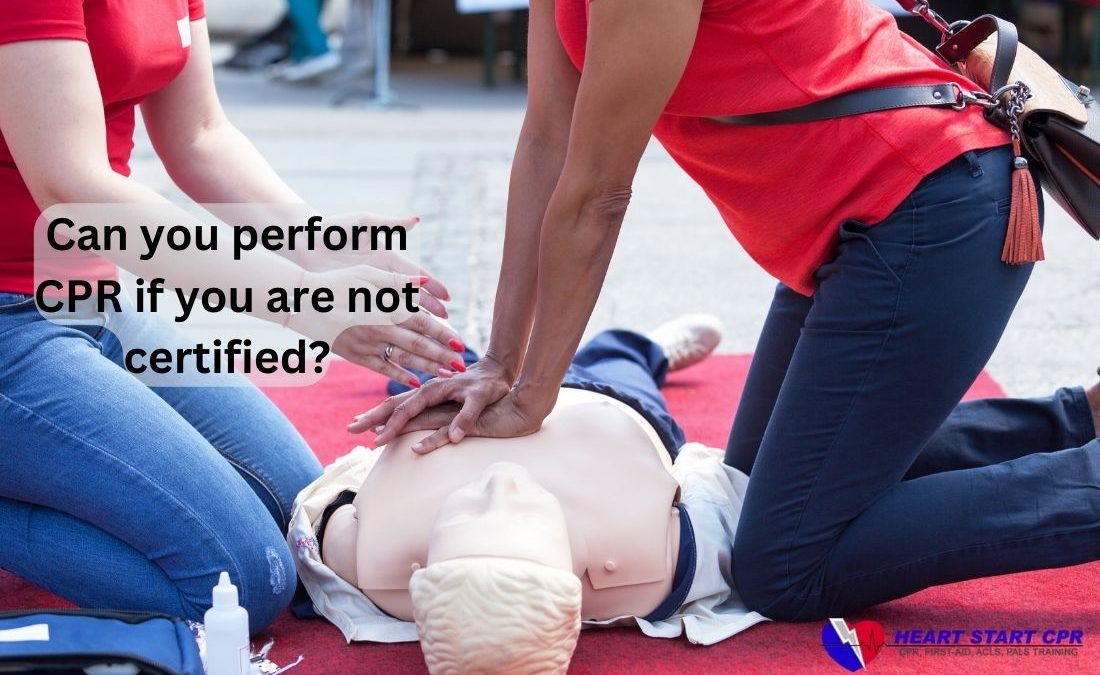
3. Do I Need to Be CPR Certified to Be Protected?
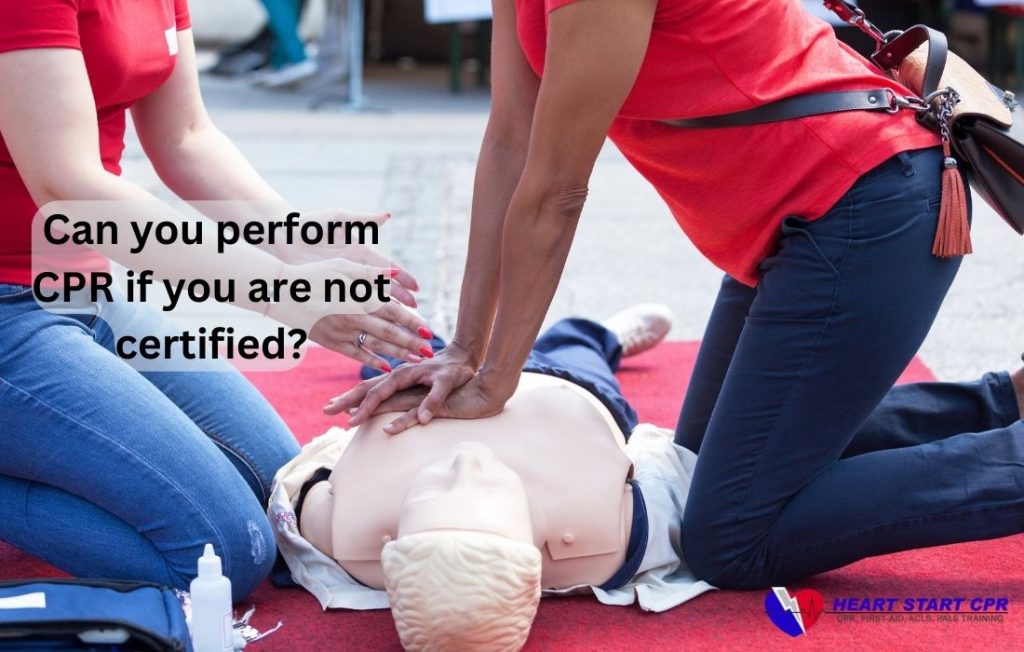
No. CPR certification is not a requirement to benefit from Good Samaritan protections, although proper training can help ensure effective aid.
4. Does the Law Offer Immunity From Lawsuits?
It offers limited immunity, mainly protecting against claims of negligence when acting in good faith and within your training scope. Gross negligence or malicious acts are not covered.
5. Can I Be Sued If the Person I Help With CPR Does Not Survive?
Generally, Good Samaritan Laws protect you from being sued if the person you help with CPR does not survive, as long as you acted in good faith, within the scope of your training, and without gross negligence or intentional harm.