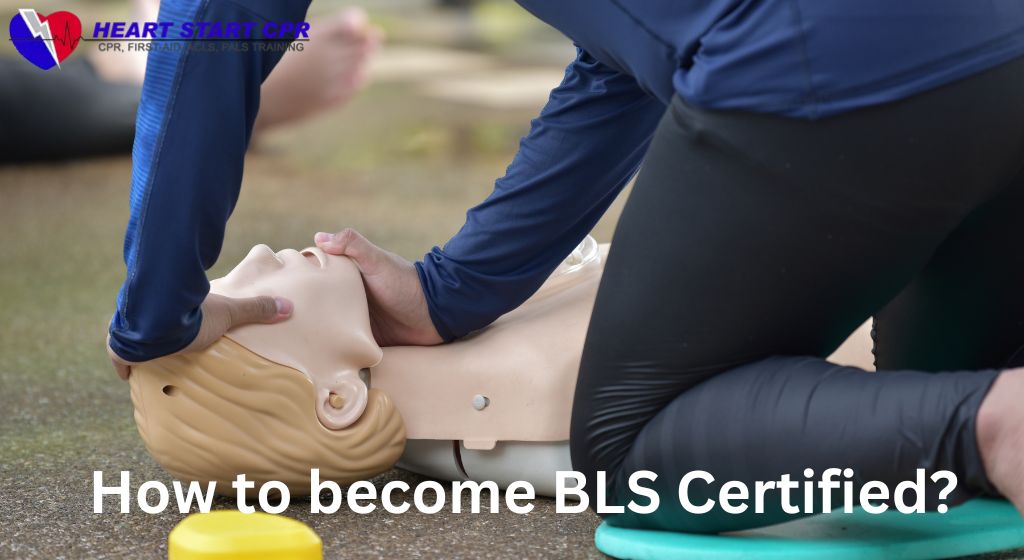
Basic Life Support (BLS) is a more advanced form of CPR used by medical professionals, such as nurses, doctors, and paramedics. BLS is a critical skill for healthcare professionals working in emergency rooms, intensive care units, medical emergencies, and emergency medical technicians (EMTs). If you’re wondering how to become BLS certified, this article will guide you through the exact steps to earn your certification.
What is BLS Certification?
What is BLS certification? The BLS certification program teaches medical professionals the skills and knowledge required to perform CPR and other life-saving techniques. The program teaches medical professionals to respond to emergencies and provide essential care to patients in critical conditions. BLS certification programs are available through various institutions and organizations, like the American Heart Association (AHA) and the Red Cross.
Is BLS the Same as CPR?
CPR training is given in BLS classes, but since BLS certification is intended for the medical professional, the BLS class is more in-depth than CPR training. A typical BLS class will cover single-rescuer and team basic life support skills, assessing an emergency, taking precautions, and legal considerations when administering life-saving care. You may also learn additional first-aid skills while enrolling in BLS certification courses.
Also read: BLS Vs CPR- What’s the Difference Between BLS and CPR?
Why is BLS Certification Important?
BLS certification equips medical professionals with the critical skills to respond effectively to cardiac arrests and other life-threatening emergencies, improving patient survival. It is also often a mandatory requirement for healthcare employment.
Key Reasons
- Enables calm and prompt response during cardiac arrests, strokes, and other emergencies.
- Helps maintain heart and lung function, increasing patient survival chances.
- Required by many hospitals, clinics, and healthcare organizations.
- Demonstrates competency and readiness in emergencies.
Find out: Who Needs BLS Certification
How Can You Become BLS Certified? A Step-by-Step Guide
Becoming BLS certified is a straightforward process that can be completed in just a few days. Here’s a simple guide on how to get BLS certified:
Step 1: Choose a Certification Provider
Several organizations offer BLS certification courses, including the American Heart Association (AHA) and the Red Cross. Before selecting a provider, it’s essential to research and compare each organization’s courses. Consider factors such as the cost, course duration, and course format, such as online or in-person.
Heart Start CPR offers BLS certification courses that match your schedule. We offer online, classroom, or in-person BLS Training. Depending on factors, some may find online BLS training courses beneficial, while some find direct interactive classes convenient.
Step 2: Enroll in a BLS Course
Once you select a certification provider, enroll in a BLS course. The BLS course will typically cover the following topics:
- The basic principles of BLS
- The steps for performing CPR
- How to use an automated external defibrillator (AED)
- How to perform choking relief techniques
- How to recognize and respond to a cardiac arrest or stroke
Step 3: Attend the Course and Pass the Exam
The BLS course will typically take between 3 and 5 hours to complete. During the course, you will learn the skills and knowledge (BLS Algorithms: 1 rescuer, 2 rescuer, pediatric, and adult BLS algorithms) required to perform BLS techniques and how to respond to emergencies. After completing the course, you must pass a written and practical exam to receive your BLS certification.
Step 4: Receive Your BLS Certification
Once you have passed the BLS exam, you will receive your BLS certification, valid for two years. You need to renew your certification every two years by attending a BLS recertification course.
Also read: Things They Don’t Teach You in BLS Class
How Can You Effectively Prepare for BLS Certification?
Preparing for BLS certification can help you feel more confident and prepared to pass the exam. Here are some tips for preparing for BLS certification:
- Review the BLS Guidelines: The American Heart Association publishes guidelines for BLS certification, which provide a comprehensive overview of the techniques and procedures you will be expected to know. Reviewing these guidelines before the course can help you feel more prepared.
- Practice BLS Techniques: Practicing BLS techniques with a family member or friend can help you feel more confident when performing the techniques during the exam.
- Study the Course Materials: Most BLS certification courses provide materials such as books or online modules. It’s essential to review these materials before attending the system to ensure you have a solid understanding of the course material.
- Attend a Practice Exam: Many BLS certification providers offer practice exams to help you prepare for the actual exam. Attending a practice exam can help you identify areas needing additional study or practice.
Related Post: Tips to Manage BLS Certification with Your Busy Schedule
What Should You Know About the BLS Certification Exam?
The BLS certification exam tests your knowledge and proficiency in performing BLS techniques. The exam typically consists of two parts: written and practical exams. The written exam consists of multiple-choice questions and covers the material taught in the BLS certification course.
The practical exam tests your ability to perform BLS techniques, such as performing chest compressions, using an AED, and providing rescue breaths. To pass the BLS certification exam, you must score 84% or higher on the written exam and perform all required BLS techniques correctly during the practical exam.
Also read: BLS Study Guide
How Do You Renew Your BLS Certification?
BLS certification is valid for two years. You must attend a BLS recertification course before your certificate expires to renew your certification. The recertification course typically covers the same material as the initial BLS certification course, but in a shorter format. After completing the recertification course, you must pass the written and practical exams to renew your BLS certification.
What Are the Key Benefits of BLS Certification?
BLS certification equips individuals to handle critical emergencies like cardiac arrest and airway obstructions.
Key Benefits Include
- Professional Advantage: Enhances job prospects, especially for nurses and emergency responders, and shows commitment to patient care.
- Employment Opportunities: Many healthcare employers require BLS certification, improving hiring chances.
- Healthcare Impact: Enables providers to respond effectively, boosting patient survival and reducing complications.
- Personal Fulfillment: Offers confidence and satisfaction in being able to save lives.
Get BLS Certified at Heart Start CPR
Becoming BLS certified equips you with the knowledge and skills to respond confidently in life-threatening emergencies. It not only helps you save lives but also strengthens your career opportunities in healthcare. In our Heart Start CPR, you can choose from online, classroom, or on-site courses designed to fit your schedule. Take the step today and be prepared to make a difference when every second matters.
Enroll in BLS certification classroom courses in Sthe an Francisco Bay Area at Heart Start CPR. We offer classroom BLS courses all over the San Francisco Bay Area. We also provide nationally accepted Online BLS certifications for medical personnel with a busy schedule. Heart Start CPR also offers On-Site CPR training for schools, corporations, small businesses, and Healthcare Facilities.
FAQs
1. Can You Take BLS Certification Online or Do You Need In-Person Training?
Yes, you can complete BLS certification online through providers like Heart Start CPR, which offers interactive modules. However, some practical skills may require in-person sessions to ensure you perform techniques correctly.
2. How Long Does It Usually Take for You to Become BLS Certified?
Most BLS courses take between 3 and 5 hours to complete, including both training and exams. If you prepare ahead of time, you can finish the course efficiently and confidently.
3. What Equipment and Skills Will You Learn During a BLS Course?
You will learn to perform chest compressions, rescue breaths, use an AED, and relieve choking emergencies. These skills are crucial for responding effectively in life-threatening situations.
4. Is BLS Certification Recognized Nationwide, and Can You Use It Anywhere?
Yes, BLS certification from accredited organizations like the AHA or Red Cross is recognized across the United States. This allows you to apply your skills and credentials in various healthcare settings.
5. What Happens If You Don’t Pass the BLS Exam on Your First Try?
If you don’t pass, most providers allow you to retake the exam after additional practice or review. You can use this opportunity to strengthen your skills and knowledge before attempting the exam again.