Are you preparing for a CPR certification exam or want to improve your CPR skills? Our guide can help you get better results. CPR is a vital life-saving skill used when someone’s heart stops. Learning it not only helps save lives but also boosts your confidence, especially if you work in healthcare, public service, or any role requiring first aid knowledge.
CPR training is widely available and designed to teach anyone how to perform techniques safely and effectively. Following the course guidelines prepares you for exams and practical situations. After training, you’ll gain the skills and knowledge needed to perform CPR professionally and pass the certification exam with confidence.
This article explains preparation tips, opportunities after certification, and answers common student questions.
What is CPR Certification?
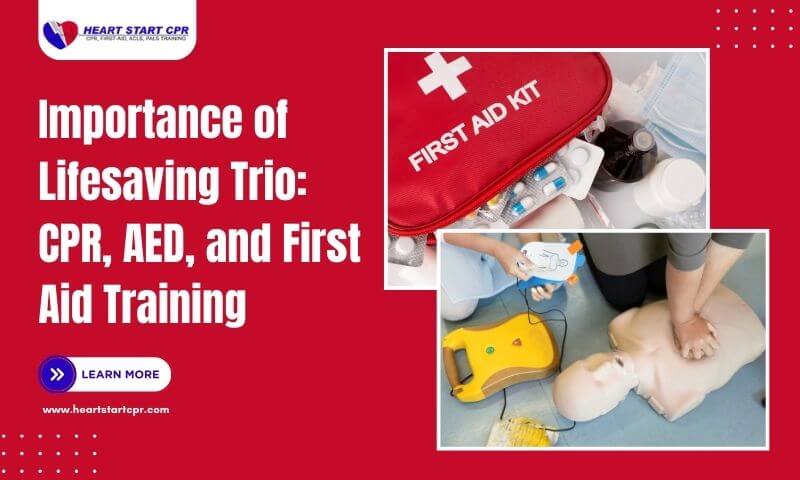
CPR certification teaches essential medical techniques to handle life-threatening emergencies like sudden cardiac arrest, heart attack, and stroke. It includes CPR, Automated External Defibrillator (AED) use, and first aid, training you to perform chest compressions and rescue breathing effectively.
Certification prepares you to respond confidently to emergencies such as near-drowning, suffocation, or cardiac events. Learning these life-saving skills allows you to act quickly and safely, providing immediate care until professional medical help arrives, making a critical difference in saving lives.
Also read: AHA vs Red Cross CPR Certification
Why is CPR Certification Important?
CPR certification is essential because it equips you with life-saving skills to respond confidently during emergencies. Whether at home, work, or in public spaces, certified knowledge can save lives. It also boosts your professional credibility, especially in healthcare, education, or public service roles.
Key Highlights:
- Learn how to respond to cardiac arrest, heart attack, stroke, or choking emergencies.
- Gain confidence and practical skills to act quickly in critical situations.
- Enhances your resume and professional credibility.
- Prepares you to protect others and save lives effectively.
How Long Does CPR Certification Last?
The CPR certification lasts for two years. Afterward, you must take your CPR recertification course to hold your certification. It allows you to refresh your knowledge or memory, gain more information than before, renew your skills, and help to stay connected to the latest trends or techniques.
CPR certification training was developed for those with valid credentials but near expiration. Besides, the Cardiopulmonary Resuscitation (CPR) renewal course takes less time to learn than the standard CPR training. It permits you to maintain certification for the next two years.
You can easily register for the blended learning course. This type of CPR course mixes online study and in-person training. If you have a busy schedule, you can go with the blended CPR training because it allows flexibility.
Related Post: How Long Does A CPR Class Take?
What Are the Best Tips to Prepare for the CPR Certification Exam?
Learning how to prepare for the CPR certification exam will increase more confidence to perform for accurate results on the field. So let us discuss the most critical points which will help you to be more comfortable after knowing the terms:
1. Choose the Appropriate CPR Certification training
- Choose classroom, blended, or online CPR training with a certified trainer following American Heart Association guidelines.
- Check the trainer’s reviews, profile, and available equipment before enrolling.
- Most institutions offer accredited CPR certification; consult your employer before taking online courses.
- Pick a course that fits your schedule and learning style.
- Online courses offer flexibility, while in-person training is better for hands-on practice.
Also read: How to pass the BLS Skills test in California?
2. Review the Syllabus or Curriculum
After selecting a CPR certification institution, review the course curriculum carefully. Make sure you understand each topic before moving on, as this builds confidence and creates a comfortable learning environment.
The instructor will guide you through topics like CPR basics, heart attack, stroke, cardiac arrest, choking, first aid, shock management, and bleeding control, ensuring you gain practical life-saving skills effectively.
3. Practice CPR Certification Techniques
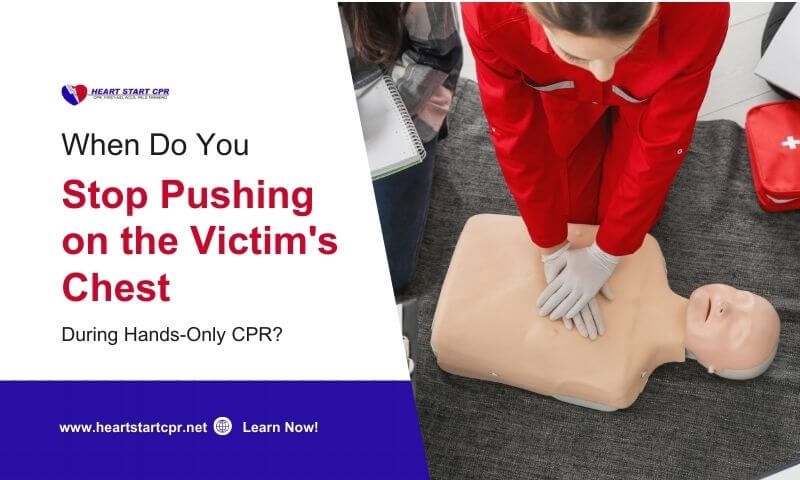
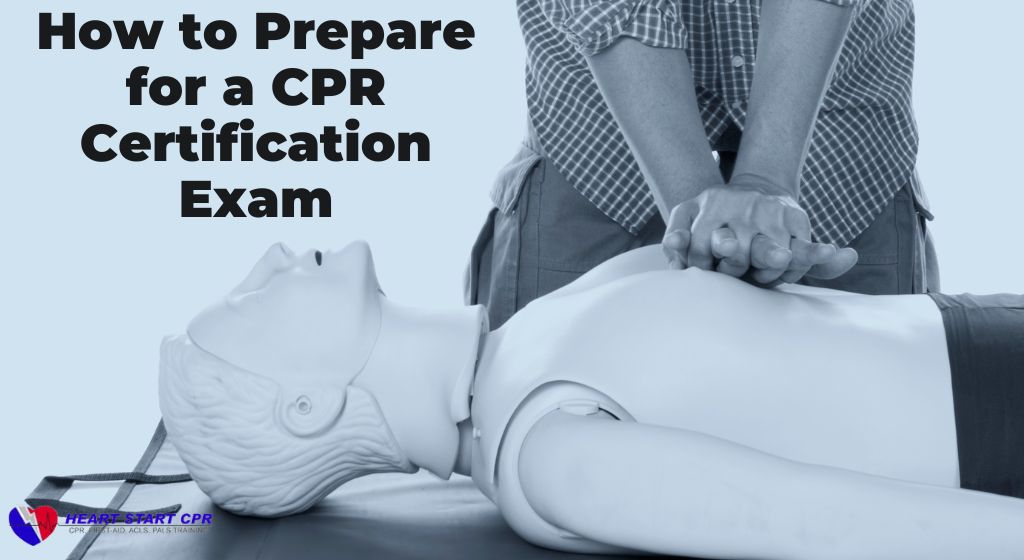
CPR techniques combine chest compressions and rescue breathing. Practice all steps repeatedly until you feel confident. Place the heels of your hands on the chest center and palms on top for proper technique.
After every 30 chest compressions, give two rescue breaths to rest. Regular practice helps you perform smoothly and prepares you well for your CPR certification exam.
4. View Instructional Videos Online
In this phase, you can watch instructional videos online to learn how to perform CPR. Tutorials show proper methods and help improve your practice for exam preparation.
These videos also teach the Heimlich Maneuver and other skills. Understanding your limits and abilities helps you gain the knowledge needed to assist someone in need effectively.
5. Test Exams of Your Own
Heart Start CPR offers practice exams to help you prepare for the real test. These resources show where you need improvement and build confidence during practice. Small steps can make a big difference in improving your skills.
We also provide a manual covering all exam topics, helping you remember important information. If your training includes a review session, attend it to ask questions and collaborate with the instructor for better understanding.
Be Prepared, Be Confident: Master CPR and Make a Difference
CPR certification equips you with life-saving skills and confidence to act during emergencies. Following proper training, practicing techniques, and reviewing materials helps you excel in your exam and apply your knowledge in real-life situations. Whether for work, volunteering, or personal preparedness, becoming CPR certified empowers you to save lives, protect others, and stand ready when every second counts.
Become a Lifesaver Today! Join Heart Start CPR, an AHA-certified training center, for CPR, BLS, ACLS, PALS, and First Aid classes in San Francisco, Oakland, San Jose, or San Ramon. Learn from certified expert instructors, gain hands-on experience, and build the confidence to act in any medical emergency.
FAQs: Preparing for the CPR Certification Exam
1. Can I Take a CPR Certification Exam Without Training?
No. You must complete an approved CPR training course first. Training teaches both the theory and hands-on skills you need to pass the exam confidently.
2. How Many Times Can I Attempt the CPR Certification Test?
Most training centers allow multiple attempts if you don’t pass the first time. The exact number of retakes depends on the rules of the training provider.
3. What Should I Bring on Exam Day?
Bring a valid ID, any course materials, comfortable clothes for practice, and your registration confirmation or email from the training center.
4. Is the CPR Exam Different for Adults, Children, and Infants?
Yes. The exam tests different techniques for adults, children, and infants, including chest compressions, rescue breaths, and AED use. You must demonstrate proper care for each.
5. Can I Reschedule or Retake the CPR Exam?
Yes. Most centers allow you to reschedule or retake the exam if needed. Some may charge an additional fee for rescheduling or retaking.